Dry Eye Care
What is Dry Eye Syndrome?
Dry Eye Syndrome (DES), also known as Ocular Surface Disease (OSD), is the most common eye disorder, affecting about 20% of the population. It is caused when one or all of the components of the tear film are not in balance. Clogged oil glands along both upper and lower lid margins contribute to 86% of ocular surface disease progression (OSD) and dry eye. Poor lacrimal gland function further reduces the production of our “emergency eye wash tears.” Damage to our goblet cells that reside in the tissue near our beautiful iris can reduce the output of our mucous tears which help to nourish and protect our precious sight. Understanding the complex makeup of our tears is important in devising a proper treatment approach to solving OSD.
What are the Symptoms?
The most common symptoms of Dry Eye Syndrome include:
- Redness
- Irritation
- Scratchiness
- Burning
- Watery eyes
Advanced dry eyes may damage the front surface of the eye and impair your vision. Depending on the severity of your symptoms, we have effective treatment solutions for OSD.

What is Dry Eye Syndrome?
Dry Eye Syndrome (DES), also known as Ocular Surface Disease (OSD), is the most common eye disorder, affecting about 20% of the population. It is caused when one or all of the components of the tear film are not in balance. Clogged oil glands along both upper and lower lid margins contribute to 86% of ocular surface disease progression (OSD) and dry eye. Poor lacrimal gland function further reduces the production of our “emergency eye wash tears.” Damage to our goblet cells that reside in the tissue near our beautiful iris can reduce the output of our mucous tears which help to nourish and protect our precious sight. Understanding the complex makeup of our tears is important in devising a proper treatment approach to solving OSD.
What are the Symptoms?
The most common symptoms of Dry Eye Syndrome include:
- Redness
- Irritation
- Scratchiness
- Burning
- Watery eyes
Advanced dry eyes may damage the front surface of the eye and impair your vision. Depending on the severity of your symptoms, we have effective treatment solutions for OSD.
What are the Risk Factors?
Dry eyes can develop for many reasons, including:
- Age (a majority of people over age 65 experience symptoms of dry eyes)
- Gender (women are more likely to develop dry eyes due to hormonal changes caused by pregnancy, the use of contraceptives, and menopause)
- Medications (i.e., antihistamines, decongestants, blood pressure medications, and antidepressants can reduce tear production)
- Medical conditions (i.e., rheumatoid arthritis, diabetes, and thyroid problems are more likely to have symptoms of dry eyes)
- Environmental conditions (i.e., exposure to smoke, wind, and dry climates can increase tear evaporation and failure to blink regularly can also contribute to drying of the eyes)
- Long-term use of contact lenses
- Refractive eye surgeries, such as LASIK, can decrease tear production
What are the Risk Factors?
Dry eyes can develop for many reasons, including:
- Age (a majority of people over age 65 experience symptoms of dry eyes)
- Gender (women are more likely to develop dry eyes due to hormonal changes caused by pregnancy, the use of contraceptives, and menopause)
- Medications (i.e., antihistamines, decongestants, blood pressure medications, and antidepressants can reduce tear production)
- Medical conditions (i.e., rheumatoid arthritis, diabetes, and thyroid problems are more likely to have symptoms of dry eyes)
- Environmental conditions (i.e., exposure to smoke, wind, and dry climates can increase tear evaporation and failure to blink regularly can also contribute to drying of the eyes)
- Long-term use of contact lenses
- Refractive eye surgeries, such as LASIK, can decrease tear production
Utilizing LipiScan, LipiFlow and TearLab
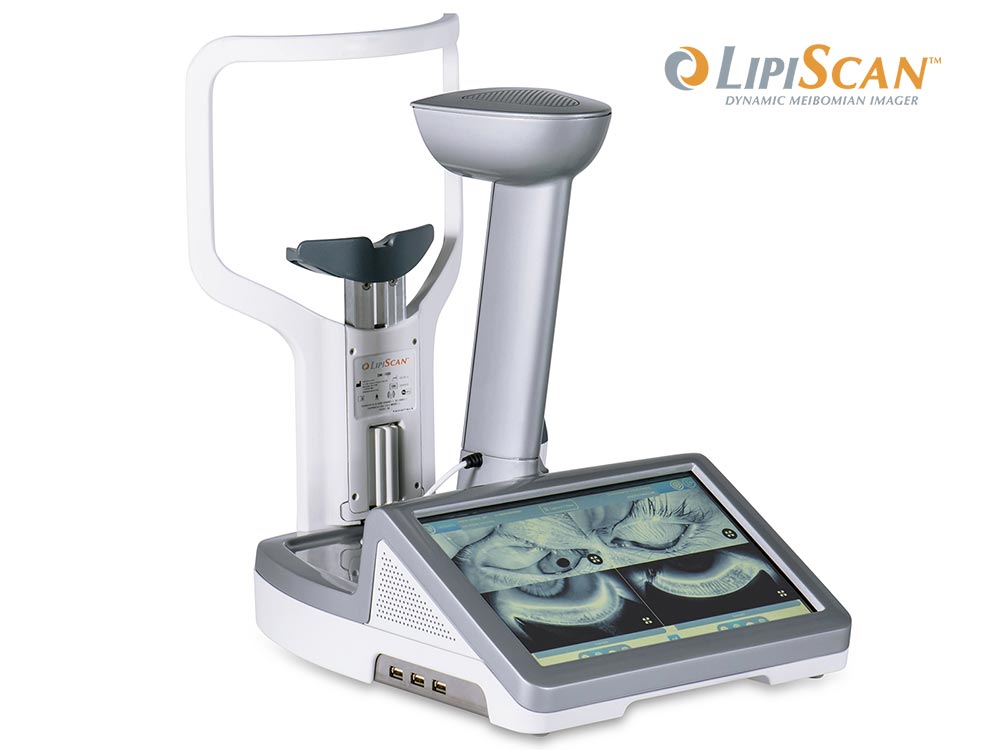
LipiScan and LipiFlow are advanced diagnostic and treatment technologies that play a crucial role in managing dry eye disease, particularly when the root cause is meibomian gland dysfunction (MGD). LipiScan is a high-resolution imaging system that allows eye care professionals to visualize and assess the health of the meibomian glands, tiny oil-producing glands located along the eyelid margins. By identifying gland atrophy, dropout, and structural changes, LipiScan helps determine the severity of MGD and tailor a targeted treatment plan. This detailed imaging ensures that dry eye therapy is precise, measurable, and specific to each patient’s gland structure.
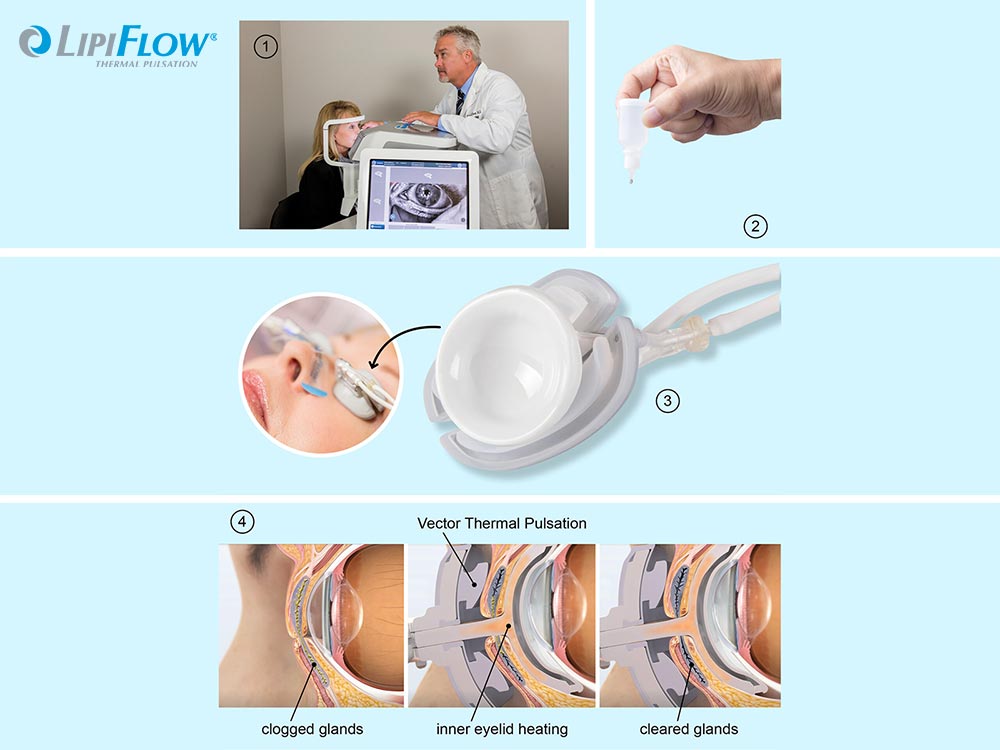
Once meibomian gland dysfunction is confirmed, LipiFlow offers an in-office therapeutic solution that improves gland function by applying controlled warmth to the inner eyelids and gentle pressure to the outer eyelids. This combination melts and expresses accumulated, thickened meibum that traditional warm compresses cannot clear effectively. The advantage of LipiFlow is its ability to restore natural oil flow rapidly and comfortably, often resulting in significant relief from dryness, irritation, burning, and fluctuating vision. Unlike temporary remedies, LipiFlow addresses the underlying gland blockage, providing longer-lasting symptom improvement with minimal downtime.
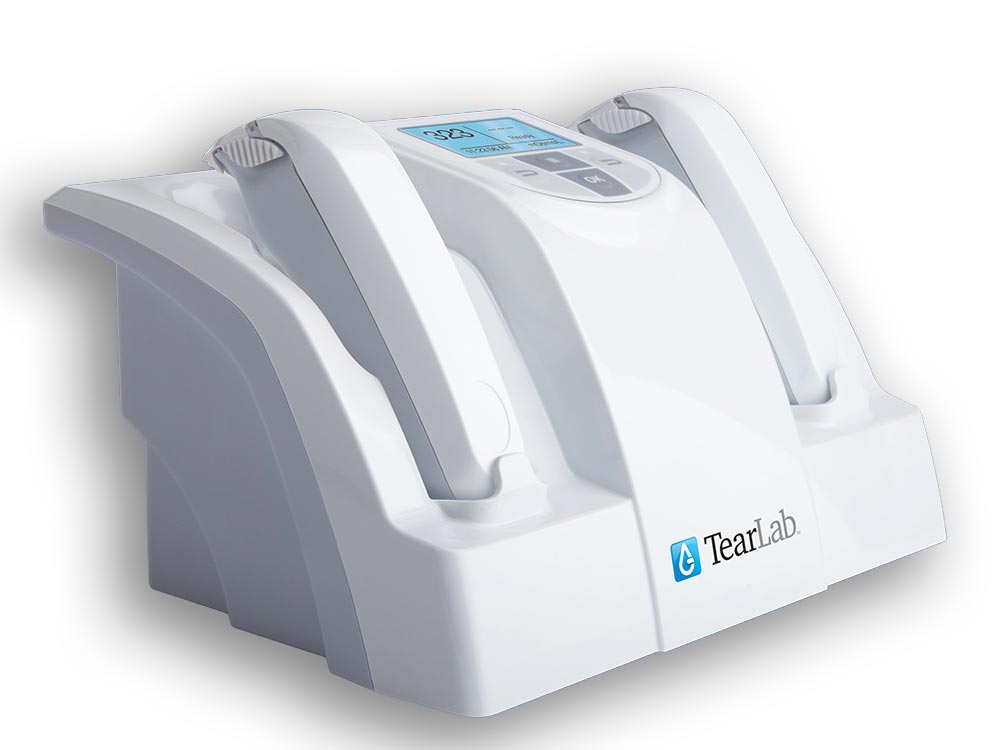
To complement these technologies, TearLab testing provides an objective measure of tear osmolarity—a key indicator of dry eye severity. Elevated osmolarity signals tear film instability and inflammation, guiding clinicians in diagnosis and monitoring treatment effectiveness over time. By combining LipiScan’s imaging insights, TearLab’s diagnostic precision, and LipiFlow’s therapeutic impact, patients receive a comprehensive, state-of-the-art approach to dry eye care that enhances comfort, visual quality, and long-term ocular surface health.